Search
1000 results for “tendenci”
-

TikTok esconde un juego secreto en tus mensajes directos
TikTok ha sorprendido a sus usuarios con un «huevo de pascua»: un videojuego oculto dentro de la sección de mensajes directos que permite competir con amigos de forma sencilla y adictiva (Fuente e imagen Techcrunch).
La popular red social de videos cortos, TikTok, ha añadido una capa extra de entretenimiento a su plataforma con el descubrimiento de un juego secreto integrado en su sistema de mensajería. Este «easter egg» no requiere descargas adicionales ni suscripciones, ya que se activa directamente mediante una combinación específica de emojis o comandos dentro de un chat privado. El juego, que presenta una estética retro y mecánicas simples de habilidad, busca fomentar la interacción directa entre los usuarios, transformando la bandeja de entrada en un espacio de competencia casual y lúdica.
A diferencia de las experiencias de realidad aumentada habituales en los filtros de la aplicación, este juego funciona de manera independiente y está diseñado para sesiones rápidas de juego. La iniciativa de ByteDance parece seguir la tendencia de otras plataformas de mensajería que han integrado mini-juegos para retener a la audiencia y aumentar el tiempo de permanencia en secciones menos dinámicas de la app. Para acceder a él, los usuarios deben tener instalada la versión más reciente de la aplicación y descubrir el activador específico que varía según la región, lo que ha generado una ola de videos virales explicando cómo desbloquearlo.
Esta actualización silenciosa demuestra la estrategia de TikTok de diversificar su oferta de contenido y fortalecer el aspecto social de su comunidad. Al convertir los mensajes directos en una zona de juego, la plataforma no solo compite con redes sociales tradicionales, sino que también empieza a rozar el terreno de las aplicaciones de mensajería instantánea con funciones de valor añadido. Se espera que, tras la gran acogida de este primer juego, la compañía introduzca nuevos títulos y desafíos estacionales para mantener el interés de sus millones de usuarios activos.
#APP #arielmcorg #EasterEgg #Entretenimiento #gaming #infosertec #innovación #juegos #PORTADA #RedesSociales #tecnología #tiktok #TRUCOS -

Pogłębia się kryzys demograficzny w Japonii
Chociaż tempo spadku zmniejszyło się w porównaniu z ponad 5% spadkami odnotowanymi w latach 2022–2024, długoterminowa tendencja pozostaje wyraźna. W ciągu ostatniej dekady roczna liczba urodzeń spadła o około 30%.
https://wp.me/p3fv0T-i7b #Japonia #demografia #zapaść #Azja #POLECANE
-

Datafolha mostra Lula e Flávio tecnicamente empatados em 2º turno
-

La democracia mundial frena su caída, pero los expertos descartan un cambio de tendencia
-

Descubre los zapatos de primavera-verano presentados por Marta Hazas
https://www.euromundoglobal.com/noticia/378385/sociedad/marta-hazas-presenta-los-zapatos-que-llevara-esta-primavera-verano.html
#moda #calzado #zapatos #MartaHazas #Calzados #primaveraverano #tendencias #estilo #fashion #shoes #sandalias #cuñas #tacones #blucher #zapatoOxford #colección #embajadora #frescura #desenfado #looks #accesorios #trendy #influencia #moda2025 #nuevostyles
#fashio #modamujer #estilo #tendencias2025 #nuevacolección #zapatosdemoda #inspiración #looksprimavera #calzadofemenino #musthave #fashionista -

Descubre los zapatos de primavera-verano presentados por Marta Hazas
https://www.euromundoglobal.com/noticia/378385/sociedad/marta-hazas-presenta-los-zapatos-que-llevara-esta-primavera-verano.html
#moda #calzado #zapatos #MartaHazas #Calzados #primaveraverano #tendencias #estilo #fashion #shoes #sandalias #cuñas #tacones #blucher #zapatoOxford #colección #embajadora #frescura #desenfado #looks #accesorios #trendy #influencia #moda2025 #nuevostyles
#fashio #modamujer #estilo #tendencias2025 #nuevacolección #zapatosdemoda #inspiración #looksprimavera #calzadofemenino #musthave #fashionista -

Descubre los zapatos de primavera-verano presentados por Marta Hazas
https://www.euromundoglobal.com/noticia/378385/sociedad/marta-hazas-presenta-los-zapatos-que-llevara-esta-primavera-verano.html
#moda #calzado #zapatos #MartaHazas #Calzados #primaveraverano #tendencias #estilo #fashion #shoes #sandalias #cuñas #tacones #blucher #zapatoOxford #colección #embajadora #frescura #desenfado #looks #accesorios #trendy #influencia #moda2025 #nuevostyles
#fashio #modamujer #estilo #tendencias2025 #nuevacolección #zapatosdemoda #inspiración #looksprimavera #calzadofemenino #musthave #fashionista -

Study builds on genetic research into cannabis use, as policymakers grapple with drug’s popularity
“By s…
#NewsBeep #News #Genetics #according #among #as #associated #behaviour #bipolar #builds #CA #California #Canada #Cannabis #diego #disorder #drugs #genes #Genetic #grapple #impulsive #into #linked #obesity #On #other #policymakers #popularity #released #research #researchers #schizophrenia #Science #study #tendency #traits #University #Use #with #yesterday
https://www.newsbeep.com/ca/212788/ -

Strong El Niño Forecast This Year
El Niño happens when surface waters in the equatorial Pacific stay about 1 degree Fahrenheit warmer than average…
#Climate #ClimateChange #Climate-Change #area #average #climatechange #darbybybee #degreefahrenheit #drought #elnino #ForecastingOurFuture #globalwarming #LaNina #otherparts #strongelniñoforecast #summer #superelnino #tendency #warming #water #Weather #weatherelniño #winter #world
https://www.europesays.com/2966543/ -

Strong El Niño Forecast This Year https://www.byteseu.com/1991241/ #area #average #Climate #ClimateChange #DarbyBybee #DegreeFahrenheit #drought #ElNino #ForecastingOurFuture #GlobalWarming #LaNina #OtherParts #StrongElNiñoForecast #Summer #SuperElNiño #tendency #Warming #Water #weather #WeatherElNiño #winter #World
-
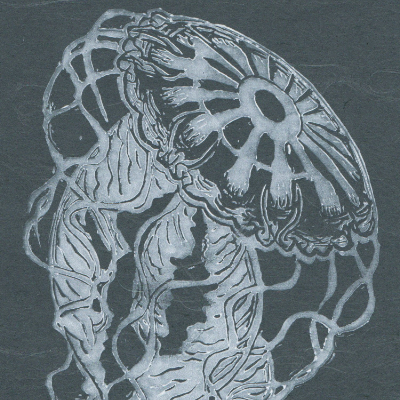
I was just looking over the new prints I made in 2025. Think about portraying pollinators. This print shows a great little pollinator in the garden: a transverse-banded flower fly (Eristalis transversa) on Echinacea purpurea or purple coneflower. Because of its yellow stripes, tendency to hover (it’s a hover fly after all) and love of flowers, this little insect can be mistaken for a bee, but it’s a bee-mimic fly. 🧵1/2
-

I was just looking over the new prints I made in 2025. Think about portraying pollinators. This print shows a great little pollinator in the garden: a transverse-banded flower fly (Eristalis transversa) on Echinacea purpurea or purple coneflower. Because of its yellow stripes, tendency to hover (it’s a hover fly after all) and love of flowers, this little insect can be mistaken for a bee, but it’s a bee-mimic fly. 🧵1/2
-
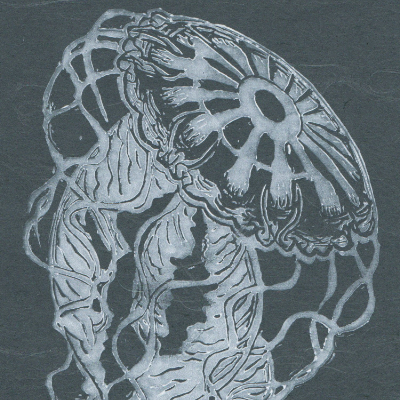
I was just looking over the new prints I made in 2025. Think about portraying pollinators. This print shows a great little pollinator in the garden: a transverse-banded flower fly (Eristalis transversa) on Echinacea purpurea or purple coneflower. Because of its yellow stripes, tendency to hover (it’s a hover fly after all) and love of flowers, this little insect can be mistaken for a bee, but it’s a bee-mimic fly. 🧵1/2
-

I was just looking over the new prints I made in 2025. Think about portraying pollinators. This print shows a great little pollinator in the garden: a transverse-banded flower fly (Eristalis transversa) on Echinacea purpurea or purple coneflower. Because of its yellow stripes, tendency to hover (it’s a hover fly after all) and love of flowers, this little insect can be mistaken for a bee, but it’s a bee-mimic fly. 🧵1/2
-
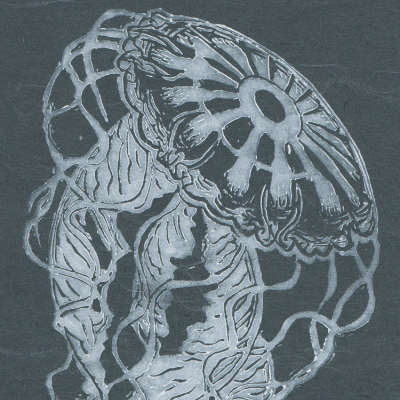
I was just looking over the new prints I made in 2025. Think about portraying pollinators. This print shows a great little pollinator in the garden: a transverse-banded flower fly (Eristalis transversa) on Echinacea purpurea or purple coneflower. Because of its yellow stripes, tendency to hover (it’s a hover fly after all) and love of flowers, this little insect can be mistaken for a bee, but it’s a bee-mimic fly. 🧵1/2
-
 @hosh The alt-text police of the Mastodon Home Owners' Association (Mastodon HOA) have a tendency to be overzealous. And they don't talk to each other. They all act for themselves as lone wolves with exactly no coordination amongst each other whatsoever. You never know what kinds of rules they whip up for themselves.
Chances are that they only let image descriptions count that come directly with the image. If they acknowledge an image description outside the alt-text, it must be in the post itself. Not as an external link, but the description text itself.
Besides, at least some in the Mastodon HOA have problems with external links. And I don't just mean that they don't trust embedded links whose URL they can't see in plain sight, the kind that Hubzilla can create and Mastodon can't (not that Hubzilla couldn't fake a plain-sight link by embedding a different URL than the visible).
I don't mean either that probably a majority of Mastodon users don't even recognise embedded links without a visible URL as such because they don't know that such a thing can exist in the Fediverse, because Mastodon can't make them.
No, what I mean is the notion that external links for explanations are inherently bad from an accessibility point of view. "Mastodon" (as in how Mastodon users experience the Fediverse, i.e. the Mastodon Web UI or any of the popular mobile phone apps) is sufficiently accessible. But the Web outside of "Mastodon" (same definition again) may not be accessible enough.
A few years ago, I've literally read a Mastodon toot in which someone said that explanations must not be linked to. Linked websites have a risk of not being accessible. Explanations must always be directly in the same post. Apparently, they thought that everything and anything can be explained and broken down until everyone understands it within 500 characters.
This is also why Mastodon users tend to explain their images in the alt-text. It's only there where they have at least halfway enough characters for an explanation, 1,500 per image as opposed to usually only 500 in the post text. (On Mastodon, much unlike Hubzilla, the alt-text is a separate database field that exists separately for each of the up to four images per message.)
That is, explanations must never go into the alt-text because there are people who cannot open alt-texts to read them. But nobody on Mastodon knows that.
It should be obvious that what counts for explanations counts for visual descriptions just as well.
And in fact, regarding Hubzilla articles, they're actually right. I've once pointed an actually blind screen reader user to an article on my Hubzilla channel. She said she couldn't even navigate the Web interface. She literally couldn't get to the text body of the article to have it read out by her screen reader.
Hubzilla's Web interface, no matter which app is opened, is not accessible. It does not work with screen readers. It's largely still stuck in 2012 when nobdy made any ruckus about the accessibility of hobbyist Web projects.
The only reason why at least some blind or visually-impaired users can read our Hubzilla posts and comments and DMs is because they're all on Mastodon, and they read our content either on Mastodon's Web UI or a Mastodon app that supports screen readers. But they do not read our content at the source. Because they can't.
I actually took into consideration linking to my long image descriptions. But my idea was not to link to a Hubzilla article, nor to a Hubzilla wiki or a Hubzilla card. No, my idea was to write a plain HTML document, upload it to my file space and link to that.
I've dropped that idea for various reasons:- Generally, still, external links are frowned upon.
- I don't know if plain HTML is accessible without a CSS. And I can't add a CSS to this HTML if the HTML document is not served to the recipient by a Web server, but by a file server.
- I don't know how Google Chrome on Android or Safari on an iPhone will react when they access an HTML document on a file space. Will they display it as a website? Or will they download it onto the device as a file without opening it because, again, it is served to them not by a Web server, but by a file server?
- Mobile users dislike opening websites from apps because they dislike their browser popping open. And on Mastodon, much unlike Hubzilla, almost everyone is on a phone and a dedicated app almost all the time.
- This also means that mobile users would have the image and the description in two separate apps. The image in their Mastodon app, the description in their browser.
- I would need much more description.
Right now, when I have multiple images, my long descriptions consist of a preamble that contains all necessary explanations and, if applicable, visual descriptions of elements that are common to all images. The individual descriptions for each image follow.
But if I had one image description file per image, then each image description would need the whole preamble included. I can't just add the preamble to the first description file.
What if someone opens the third description file first? They'll only have a very incomplete description. And linking to the first description file is inconvenient. I would have to know the URL of the first file before completing and uploading the other files because I'd have to include the URL of the first file in them. And the users would have to have three documents open (the image post, the description of the image they're interested in, the description of the first image with the preamble) just to experience one image. Spread across two phone apps.
And that's why I can't put my additional long description in an external document.
#Long #LongPost #CWLong #CWLongPost #FediMeta #FediverseMeta #CWFediMeta #CWFediverseMeta #AltText #AltTextMeta #CWAltTextMeta #ImageDescription #ImageDescriptions #ImageDescriptionMeta #CWImageDescriptionMeta #AltTextPolice #MastodonHOA #CharacterLimit #CharacterLimits #CharacterLimitMeta #CWCharacterLimitMeta #500Characters #MastodonCulture -
 @hosh The alt-text police of the Mastodon Home Owners' Association (Mastodon HOA) have a tendency to be overzealous. And they don't talk to each other. They all act for themselves as lone wolves with exactly no coordination amongst each other whatsoever. You never know what kinds of rules they whip up for themselves.
Chances are that they only let image descriptions count that come directly with the image. If they acknowledge an image description outside the alt-text, it must be in the post itself. Not as an external link, but the description text itself.
Besides, at least some in the Mastodon HOA have problems with external links. And I don't just mean that they don't trust embedded links whose URL they can't see in plain sight, the kind that Hubzilla can create and Mastodon can't (not that Hubzilla couldn't fake a plain-sight link by embedding a different URL than the visible).
I don't mean either that probably a majority of Mastodon users don't even recognise embedded links without a visible URL as such because they don't know that such a thing can exist in the Fediverse, because Mastodon can't make them.
No, what I mean is the notion that external links for explanations are inherently bad from an accessibility point of view. "Mastodon" (as in how Mastodon users experience the Fediverse, i.e. the Mastodon Web UI or any of the popular mobile phone apps) is sufficiently accessible. But the Web outside of "Mastodon" (same definition again) may not be accessible enough.
A few years ago, I've literally read a Mastodon toot in which someone said that explanations must not be linked to. Linked websites have a risk of not being accessible. Explanations must always be directly in the same post. Apparently, they thought that everything and anything can be explained and broken down until everyone understands it within 500 characters.
This is also why Mastodon users tend to explain their images in the alt-text. It's only there where they have at least halfway enough characters for an explanation, 1,500 per image as opposed to usually only 500 in the post text. (On Mastodon, much unlike Hubzilla, the alt-text is a separate database field that exists separately for each of the up to four images per message.)
That is, explanations must never go into the alt-text because there are people who cannot open alt-texts to read them. But nobody on Mastodon knows that.
It should be obvious that what counts for explanations counts for visual descriptions just as well.
And in fact, regarding Hubzilla articles, they're actually right. I've once pointed an actually blind screen reader user to an article on my Hubzilla channel. She said she couldn't even navigate the Web interface. She literally couldn't get to the text body of the article to have it read out by her screen reader.
Hubzilla's Web interface, no matter which app is opened, is not accessible. It does not work with screen readers. It's largely still stuck in 2012 when nobdy made any ruckus about the accessibility of hobbyist Web projects.
The only reason why at least some blind or visually-impaired users can read our Hubzilla posts and comments and DMs is because they're all on Mastodon, and they read our content either on Mastodon's Web UI or a Mastodon app that supports screen readers. But they do not read our content at the source. Because they can't.
I actually took into consideration linking to my long image descriptions. But my idea was not to link to a Hubzilla article, nor to a Hubzilla wiki or a Hubzilla card. No, my idea was to write a plain HTML document, upload it to my file space and link to that.
I've dropped that idea for various reasons:- Generally, still, external links are frowned upon.
- I don't know if plain HTML is accessible without a CSS. And I can't add a CSS to this HTML if the HTML document is not served to the recipient by a Web server, but by a file server.
- I don't know how Google Chrome on Android or Safari on an iPhone will react when they access an HTML document on a file space. Will they display it as a website? Or will they download it onto the device as a file without opening it because, again, it is served to them not by a Web server, but by a file server?
- Mobile users dislike opening websites from apps because they dislike their browser popping open. And on Mastodon, much unlike Hubzilla, almost everyone is on a phone and a dedicated app almost all the time.
- This also means that mobile users would have the image and the description in two separate apps. The image in their Mastodon app, the description in their browser.
- I would need much more description.
Right now, when I have multiple images, my long descriptions consist of a preamble that contains all necessary explanations and, if applicable, visual descriptions of elements that are common to all images. The individual descriptions for each image follow.
But if I had one image description file per image, then each image description would need the whole preamble included. I can't just add the preamble to the first description file.
What if someone opens the third description file first? They'll only have a very incomplete description. And linking to the first description file is inconvenient. I would have to know the URL of the first file before completing and uploading the other files because I'd have to include the URL of the first file in them. And the users would have to have three documents open (the image post, the description of the image they're interested in, the description of the first image with the preamble) just to experience one image. Spread across two phone apps.
And that's why I can't put my additional long description in an external document.
#Long #LongPost #CWLong #CWLongPost #FediMeta #FediverseMeta #CWFediMeta #CWFediverseMeta #AltText #AltTextMeta #CWAltTextMeta #ImageDescription #ImageDescriptions #ImageDescriptionMeta #CWImageDescriptionMeta #AltTextPolice #MastodonHOA #CharacterLimit #CharacterLimits #CharacterLimitMeta #CWCharacterLimitMeta #500Characters #MastodonCulture -
 @hosh The alt-text police of the Mastodon Home Owners' Association (Mastodon HOA) have a tendency to be overzealous. And they don't talk to each other. They all act for themselves as lone wolves with exactly no coordination amongst each other whatsoever. You never know what kinds of rules they whip up for themselves.
Chances are that they only let image descriptions count that come directly with the image. If they acknowledge an image description outside the alt-text, it must be in the post itself. Not as an external link, but the description text itself.
Besides, at least some in the Mastodon HOA have problems with external links. And I don't just mean that they don't trust embedded links whose URL they can't see in plain sight, the kind that Hubzilla can create and Mastodon can't (not that Hubzilla couldn't fake a plain-sight link by embedding a different URL than the visible).
I don't mean either that probably a majority of Mastodon users don't even recognise embedded links without a visible URL as such because they don't know that such a thing can exist in the Fediverse, because Mastodon can't make them.
No, what I mean is the notion that external links for explanations are inherently bad from an accessibility point of view. "Mastodon" (as in how Mastodon users experience the Fediverse, i.e. the Mastodon Web UI or any of the popular mobile phone apps) is sufficiently accessible. But the Web outside of "Mastodon" (same definition again) may not be accessible enough.
A few years ago, I've literally read a Mastodon toot in which someone said that explanations must not be linked to. Linked websites have a risk of not being accessible. Explanations must always be directly in the same post. Apparently, they thought that everything and anything can be explained and broken down until everyone understands it within 500 characters.
This is also why Mastodon users tend to explain their images in the alt-text. It's only there where they have at least halfway enough characters for an explanation, 1,500 per image as opposed to usually only 500 in the post text. (On Mastodon, much unlike Hubzilla, the alt-text is a separate database field that exists separately for each of the up to four images per message.)
That is, explanations must never go into the alt-text because there are people who cannot open alt-texts to read them. But nobody on Mastodon knows that.
It should be obvious that what counts for explanations counts for visual descriptions just as well.
And in fact, regarding Hubzilla articles, they're actually right. I've once pointed an actually blind screen reader user to an article on my Hubzilla channel. She said she couldn't even navigate the Web interface. She literally couldn't get to the text body of the article to have it read out by her screen reader.
Hubzilla's Web interface, no matter which app is opened, is not accessible. It does not work with screen readers. It's largely still stuck in 2012 when nobdy made any ruckus about the accessibility of hobbyist Web projects.
The only reason why at least some blind or visually-impaired users can read our Hubzilla posts and comments and DMs is because they're all on Mastodon, and they read our content either on Mastodon's Web UI or a Mastodon app that supports screen readers. But they do not read our content at the source. Because they can't.
I actually took into consideration linking to my long image descriptions. But my idea was not to link to a Hubzilla article, nor to a Hubzilla wiki or a Hubzilla card. No, my idea was to write a plain HTML document, upload it to my file space and link to that.
I've dropped that idea for various reasons:- Generally, still, external links are frowned upon.
- I don't know if plain HTML is accessible without a CSS. And I can't add a CSS to this HTML if the HTML document is not served to the recipient by a Web server, but by a file server.
- I don't know how Google Chrome on Android or Safari on an iPhone will react when they access an HTML document on a file space. Will they display it as a website? Or will they download it onto the device as a file without opening it because, again, it is served to them not by a Web server, but by a file server?
- Mobile users dislike opening websites from apps because they dislike their browser popping open. And on Mastodon, much unlike Hubzilla, almost everyone is on a phone and a dedicated app almost all the time.
- This also means that mobile users would have the image and the description in two separate apps. The image in their Mastodon app, the description in their browser.
- I would need much more description.
Right now, when I have multiple images, my long descriptions consist of a preamble that contains all necessary explanations and, if applicable, visual descriptions of elements that are common to all images. The individual descriptions for each image follow.
But if I had one image description file per image, then each image description would need the whole preamble included. I can't just add the preamble to the first description file.
What if someone opens the third description file first? They'll only have a very incomplete description. And linking to the first description file is inconvenient. I would have to know the URL of the first file before completing and uploading the other files because I'd have to include the URL of the first file in them. And the users would have to have three documents open (the image post, the description of the image they're interested in, the description of the first image with the preamble) just to experience one image. Spread across two phone apps.
And that's why I can't put my additional long description in an external document.
#Long #LongPost #CWLong #CWLongPost #FediMeta #FediverseMeta #CWFediMeta #CWFediverseMeta #AltText #AltTextMeta #CWAltTextMeta #ImageDescription #ImageDescriptions #ImageDescriptionMeta #CWImageDescriptionMeta #AltTextPolice #MastodonHOA #CharacterLimit #CharacterLimits #CharacterLimitMeta #CWCharacterLimitMeta #500Characters #MastodonCulture -
 @hosh The alt-text police of the Mastodon Home Owners' Association (Mastodon HOA) have a tendency to be overzealous. And they don't talk to each other. They all act for themselves as lone wolves with exactly no coordination amongst each other whatsoever. You never know what kinds of rules they whip up for themselves.
Chances are that they only let image descriptions count that come directly with the image. If they acknowledge an image description outside the alt-text, it must be in the post itself. Not as an external link, but the description text itself.
Besides, at least some in the Mastodon HOA have problems with external links. And I don't just mean that they don't trust embedded links whose URL they can't see in plain sight, the kind that Hubzilla can create and Mastodon can't (not that Hubzilla couldn't fake a plain-sight link by embedding a different URL than the visible).
I don't mean either that probably a majority of Mastodon users don't even recognise embedded links without a visible URL as such because they don't know that such a thing can exist in the Fediverse, because Mastodon can't make them.
No, what I mean is the notion that external links for explanations are inherently bad from an accessibility point of view. "Mastodon" (as in how Mastodon users experience the Fediverse, i.e. the Mastodon Web UI or any of the popular mobile phone apps) is sufficiently accessible. But the Web outside of "Mastodon" (same definition again) may not be accessible enough.
A few years ago, I've literally read a Mastodon toot in which someone said that explanations must not be linked to. Linked websites have a risk of not being accessible. Explanations must always be directly in the same post. Apparently, they thought that everything and anything can be explained and broken down until everyone understands it within 500 characters.
This is also why Mastodon users tend to explain their images in the alt-text. It's only there where they have at least halfway enough characters for an explanation, 1,500 per image as opposed to usually only 500 in the post text. (On Mastodon, much unlike Hubzilla, the alt-text is a separate database field that exists separately for each of the up to four images per message.)
That is, explanations must never go into the alt-text because there are people who cannot open alt-texts to read them. But nobody on Mastodon knows that.
It should be obvious that what counts for explanations counts for visual descriptions just as well.
And in fact, regarding Hubzilla articles, they're actually right. I've once pointed an actually blind screen reader user to an article on my Hubzilla channel. She said she couldn't even navigate the Web interface. She literally couldn't get to the text body of the article to have it read out by her screen reader.
Hubzilla's Web interface, no matter which app is opened, is not accessible. It does not work with screen readers. It's largely still stuck in 2012 when nobdy made any ruckus about the accessibility of hobbyist Web projects.
The only reason why at least some blind or visually-impaired users can read our Hubzilla posts and comments and DMs is because they're all on Mastodon, and they read our content either on Mastodon's Web UI or a Mastodon app that supports screen readers. But they do not read our content at the source. Because they can't.
I actually took into consideration linking to my long image descriptions. But my idea was not to link to a Hubzilla article, nor to a Hubzilla wiki or a Hubzilla card. No, my idea was to write a plain HTML document, upload it to my file space and link to that.
I've dropped that idea for various reasons:- Generally, still, external links are frowned upon.
- I don't know if plain HTML is accessible without a CSS. And I can't add a CSS to this HTML if the HTML document is not served to the recipient by a Web server, but by a file server.
- I don't know how Google Chrome on Android or Safari on an iPhone will react when they access an HTML document on a file space. Will they display it as a website? Or will they download it onto the device as a file without opening it because, again, it is served to them not by a Web server, but by a file server?
- Mobile users dislike opening websites from apps because they dislike their browser popping open. And on Mastodon, much unlike Hubzilla, almost everyone is on a phone and a dedicated app almost all the time.
- This also means that mobile users would have the image and the description in two separate apps. The image in their Mastodon app, the description in their browser.
- I would need much more description.
Right now, when I have multiple images, my long descriptions consist of a preamble that contains all necessary explanations and, if applicable, visual descriptions of elements that are common to all images. The individual descriptions for each image follow.
But if I had one image description file per image, then each image description would need the whole preamble included. I can't just add the preamble to the first description file.
What if someone opens the third description file first? They'll only have a very incomplete description. And linking to the first description file is inconvenient. I would have to know the URL of the first file before completing and uploading the other files because I'd have to include the URL of the first file in them. And the users would have to have three documents open (the image post, the description of the image they're interested in, the description of the first image with the preamble) just to experience one image. Spread across two phone apps.
And that's why I can't put my additional long description in an external document.
#Long #LongPost #CWLong #CWLongPost #FediMeta #FediverseMeta #CWFediMeta #CWFediverseMeta #AltText #AltTextMeta #CWAltTextMeta #ImageDescription #ImageDescriptions #ImageDescriptionMeta #CWImageDescriptionMeta #AltTextPolice #MastodonHOA #CharacterLimit #CharacterLimits #CharacterLimitMeta #CWCharacterLimitMeta #500Characters #MastodonCulture -
 @hosh The alt-text police of the Mastodon Home Owners' Association (Mastodon HOA) have a tendency to be overzealous. And they don't talk to each other. They all act for themselves as lone wolves with exactly no coordination amongst each other whatsoever. You never know what kinds of rules they whip up for themselves.
Chances are that they only let image descriptions count that come directly with the image. If they acknowledge an image description outside the alt-text, it must be in the post itself. Not as an external link, but the description text itself.
Besides, at least some in the Mastodon HOA have problems with external links. And I don't just mean that they don't trust embedded links whose URL they can't see in plain sight, the kind that Hubzilla can create and Mastodon can't (not that Hubzilla couldn't fake a plain-sight link by embedding a different URL than the visible).
I don't mean either that probably a majority of Mastodon users don't even recognise embedded links without a visible URL as such because they don't know that such a thing can exist in the Fediverse, because Mastodon can't make them.
No, what I mean is the notion that external links for explanations are inherently bad from an accessibility point of view. "Mastodon" (as in how Mastodon users experience the Fediverse, i.e. the Mastodon Web UI or any of the popular mobile phone apps) is sufficiently accessible. But the Web outside of "Mastodon" (same definition again) may not be accessible enough.
A few years ago, I've literally read a Mastodon toot in which someone said that explanations must not be linked to. Linked websites have a risk of not being accessible. Explanations must always be directly in the same post. Apparently, they thought that everything and anything can be explained and broken down until everyone understands it within 500 characters.
This is also why Mastodon users tend to explain their images in the alt-text. It's only there where they have at least halfway enough characters for an explanation, 1,500 per image as opposed to usually only 500 in the post text. (On Mastodon, much unlike Hubzilla, the alt-text is a separate database field that exists separately for each of the up to four images per message.)
That is, explanations must never go into the alt-text because there are people who cannot open alt-texts to read them. But nobody on Mastodon knows that.
It should be obvious that what counts for explanations counts for visual descriptions just as well.
And in fact, regarding Hubzilla articles, they're actually right. I've once pointed an actually blind screen reader user to an article on my Hubzilla channel. She said she couldn't even navigate the Web interface. She literally couldn't get to the text body of the article to have it read out by her screen reader.
Hubzilla's Web interface, no matter which app is opened, is not accessible. It does not work with screen readers. It's largely still stuck in 2012 when nobdy made any ruckus about the accessibility of hobbyist Web projects.
The only reason why at least some blind or visually-impaired users can read our Hubzilla posts and comments and DMs is because they're all on Mastodon, and they read our content either on Mastodon's Web UI or a Mastodon app that supports screen readers. But they do not read our content at the source. Because they can't.
I actually took into consideration linking to my long image descriptions. But my idea was not to link to a Hubzilla article, nor to a Hubzilla wiki or a Hubzilla card. No, my idea was to write a plain HTML document, upload it to my file space and link to that.
I've dropped that idea for various reasons:- Generally, still, external links are frowned upon.
- I don't know if plain HTML is accessible without a CSS. And I can't add a CSS to this HTML if the HTML document is not served to the recipient by a Web server, but by a file server.
- I don't know how Google Chrome on Android or Safari on an iPhone will react when they access an HTML document on a file space. Will they display it as a website? Or will they download it onto the device as a file without opening it because, again, it is served to them not by a Web server, but by a file server?
- Mobile users dislike opening websites from apps because they dislike their browser popping open. And on Mastodon, much unlike Hubzilla, almost everyone is on a phone and a dedicated app almost all the time.
- This also means that mobile users would have the image and the description in two separate apps. The image in their Mastodon app, the description in their browser.
- I would need much more description.
Right now, when I have multiple images, my long descriptions consist of a preamble that contains all necessary explanations and, if applicable, visual descriptions of elements that are common to all images. The individual descriptions for each image follow.
But if I had one image description file per image, then each image description would need the whole preamble included. I can't just add the preamble to the first description file.
What if someone opens the third description file first? They'll only have a very incomplete description. And linking to the first description file is inconvenient. I would have to know the URL of the first file before completing and uploading the other files because I'd have to include the URL of the first file in them. And the users would have to have three documents open (the image post, the description of the image they're interested in, the description of the first image with the preamble) just to experience one image. Spread across two phone apps.
And that's why I can't put my additional long description in an external document.
#Long #LongPost #CWLong #CWLongPost #FediMeta #FediverseMeta #CWFediMeta #CWFediverseMeta #AltText #AltTextMeta #CWAltTextMeta #ImageDescription #ImageDescriptions #ImageDescriptionMeta #CWImageDescriptionMeta #AltTextPolice #MastodonHOA #CharacterLimit #CharacterLimits #CharacterLimitMeta #CWCharacterLimitMeta #500Characters #MastodonCulture -

#BioFleisch und Bio-Milchprodukte enthalten tendenziell mehr #Omega3Fettsäuren als konventionelle Produkte, was positive gesundheitliche Auswirkungen haben kann. Dies liegt wahrscheinlich an der #Weidehaltung und dem Zugang zu frischem #Futter in der #ökologischeLandwirtschaft. Allerdings haben biologisch produzierte tierische Produkte aufgrund des höheren Platzbedarfs pro Tier oft eine schlechtere CO2-Bilanz.
-

#Día27 | Incertidumbre – Animación | #30DayChartChallenge | Tendencia de la temperatura global. Creado con #RStats usando #dplyr, #ggplot2 y #gganimate.
-

#Día27 | Incertidumbre – Animación | #30DayChartChallenge | Tendencia de la temperatura global. Creado con #RStats usando #dplyr, #ggplot2 y #gganimate.
-

#Día27 | Incertidumbre – Animación | #30DayChartChallenge | Tendencia de la temperatura global. Creado con #RStats usando #dplyr, #ggplot2 y #gganimate.
-

#Día27 | Incertidumbre – Animación | #30DayChartChallenge | Tendencia de la temperatura global. Creado con #RStats usando #dplyr, #ggplot2 y #gganimate.
-
#Día26 | Incertidumbre – Tendencias | #30DayChartChallenge | Tendencia de la temperatura global. Creado con #RStats usando #dplyr y #ggplot2
-
#Día26 | Incertidumbre – Tendencias | #30DayChartChallenge | Tendencia de la temperatura global. Creado con #RStats usando #dplyr y #ggplot2
-
#Día26 | Incertidumbre – Tendencias | #30DayChartChallenge | Tendencia de la temperatura global. Creado con #RStats usando #dplyr y #ggplot2
-
#Día26 | Incertidumbre – Tendencias | #30DayChartChallenge | Tendencia de la temperatura global. Creado con #RStats usando #dplyr y #ggplot2
-
#Día24 | Series de Tiempo – Día Temático - South China Morning Post | #30DayChartChallenge | Producción de Café en Centroamérica: Tendencias 2021-2025. Creada usando #Rstats con #ggplot2, #patchwork, #dplyr, #grid, #gridExtra, #scales, #sf, #rnaturalearth y #rnaturalearthdata.