#amphipod — Public Fediverse posts
Live and recent posts from across the Fediverse tagged #amphipod, aggregated by home.social.
-
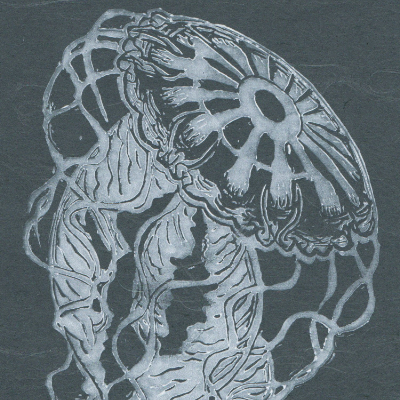
Day 18 #SciArtSeptember prompt cenote, or the limestone sinkholes accessible by ground water, a term originally only used for characteristic features in the Yucatán, Mexico and now applied more broadly to karst features anywhere, including in Australia, where fascinating but endangered stygofauna: aquatic animals who live underground, can be found. This is a hard-carved and hand-printed linocut 🧵
#linocut #printmaking #sciart #invertebrate #stygofauna #mastoArt #amphipod #crustacean
-

Day 18 #SciArtSeptember prompt cenote, or the limestone sinkholes accessible by ground water, a term originally only used for characteristic features in the Yucatán, Mexico and now applied more broadly to karst features anywhere, including in Australia, where fascinating but endangered stygofauna: aquatic animals who live underground, can be found. This is a hard-carved and hand-printed linocut 🧵
#linocut #printmaking #sciart #invertebrate #stygofauna #mastoArt #amphipod #crustacean
-
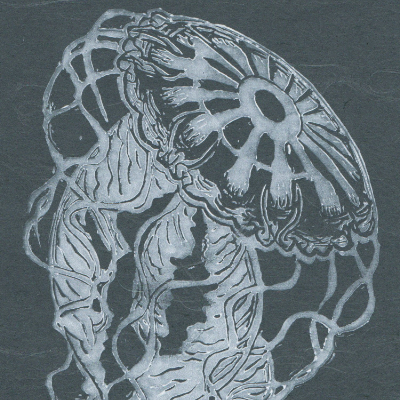
Day 18 #SciArtSeptember prompt cenote, or the limestone sinkholes accessible by ground water, a term originally only used for characteristic features in the Yucatán, Mexico and now applied more broadly to karst features anywhere, including in Australia, where fascinating but endangered stygofauna: aquatic animals who live underground, can be found. This is a hard-carved and hand-printed linocut 🧵
#linocut #printmaking #sciart #invertebrate #stygofauna #mastoArt #amphipod #crustacean
-

Day 18 #SciArtSeptember prompt cenote, or the limestone sinkholes accessible by ground water, a term originally only used for characteristic features in the Yucatán, Mexico and now applied more broadly to karst features anywhere, including in Australia, where fascinating but endangered stygofauna: aquatic animals who live underground, can be found. This is a hard-carved and hand-printed linocut 🧵
#linocut #printmaking #sciart #invertebrate #stygofauna #mastoArt #amphipod #crustacean
-
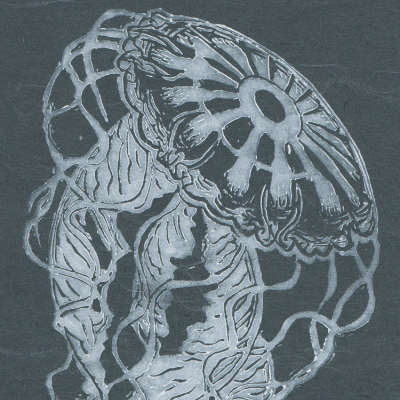
Day 18 #SciArtSeptember prompt cenote, or the limestone sinkholes accessible by ground water, a term originally only used for characteristic features in the Yucatán, Mexico and now applied more broadly to karst features anywhere, including in Australia, where fascinating but endangered stygofauna: aquatic animals who live underground, can be found. This is a hard-carved and hand-printed linocut 🧵
#linocut #printmaking #sciart #invertebrate #stygofauna #mastoArt #amphipod #crustacean
-

Rare giant "shrimp" is more widespread than previously believed, new findings reveal https://phys.org/news/2025-05-rare-giant-shrimp-widespread-previously.html
The supergiant #amphipod Alicella gigantea may inhabit over half of the world’s oceans https://royalsocietypublishing.org/doi/10.1098/rsos.241635
"#Amphipods like A. gigantea are #shrimp-like #crustaceans known for their narrow frames and a signature hump-backed curl in their posture. They roam the #DeepSea, from the abyssal depths (3,000–6,000 m) to beyond hadal zones (>6,000 m)"
-

Rare giant "shrimp" is more widespread than previously believed, new findings reveal https://phys.org/news/2025-05-rare-giant-shrimp-widespread-previously.html
The supergiant #amphipod Alicella gigantea may inhabit over half of the world’s oceans https://royalsocietypublishing.org/doi/10.1098/rsos.241635
"#Amphipods like A. gigantea are #shrimp-like #crustaceans known for their narrow frames and a signature hump-backed curl in their posture. They roam the #DeepSea, from the abyssal depths (3,000–6,000 m) to beyond hadal zones (>6,000 m)"
-

Rare giant "shrimp" is more widespread than previously believed, new findings reveal https://phys.org/news/2025-05-rare-giant-shrimp-widespread-previously.html
The supergiant #amphipod Alicella gigantea may inhabit over half of the world’s oceans https://royalsocietypublishing.org/doi/10.1098/rsos.241635
"#Amphipods like A. gigantea are #shrimp-like #crustaceans known for their narrow frames and a signature hump-backed curl in their posture. They roam the #DeepSea, from the abyssal depths (3,000–6,000 m) to beyond hadal zones (>6,000 m)"
-

Rare giant "shrimp" is more widespread than previously believed, new findings reveal https://phys.org/news/2025-05-rare-giant-shrimp-widespread-previously.html
The supergiant #amphipod Alicella gigantea may inhabit over half of the world’s oceans https://royalsocietypublishing.org/doi/10.1098/rsos.241635
"#Amphipods like A. gigantea are #shrimp-like #crustaceans known for their narrow frames and a signature hump-backed curl in their posture. They roam the #DeepSea, from the abyssal depths (3,000–6,000 m) to beyond hadal zones (>6,000 m)"
-

Rare giant "shrimp" is more widespread than previously believed, new findings reveal https://phys.org/news/2025-05-rare-giant-shrimp-widespread-previously.html
The supergiant #amphipod Alicella gigantea may inhabit over half of the world’s oceans https://royalsocietypublishing.org/doi/10.1098/rsos.241635
"#Amphipods like A. gigantea are #shrimp-like #crustaceans known for their narrow frames and a signature hump-backed curl in their posture. They roam the #DeepSea, from the abyssal depths (3,000–6,000 m) to beyond hadal zones (>6,000 m)"
-

#MarshMadness day 15
What does this funky thing have to do with marshes?! Well, this is an amphipod, genus Crayngonyx. They inhabit springs (including cave springs), but also can be found in marshes!
#aquatics #marsh #cave #entomology #amphipod #ecology #nature
-

#MarshMadness day 15
What does this funky thing have to do with marshes?! Well, this is an amphipod, genus Crayngonyx. They inhabit springs (including cave springs), but also can be found in marshes!
#aquatics #marsh #cave #entomology #amphipod #ecology #nature
-

#MarshMadness day 15
What does this funky thing have to do with marshes?! Well, this is an amphipod, genus Crayngonyx. They inhabit springs (including cave springs), but also can be found in marshes!
#aquatics #marsh #cave #entomology #amphipod #ecology #nature
-

#MarshMadness day 15
What does this funky thing have to do with marshes?! Well, this is an amphipod, genus Crayngonyx. They inhabit springs (including cave springs), but also can be found in marshes!
#aquatics #marsh #cave #entomology #amphipod #ecology #nature
-
#NewSpecies of ocean predator in the Atacama Trench
https://phys.org/news/2024-12-ocean-predator-atacama-trench.html #DeepSeaA new large predator (#Amphipoda) hidden at hadal depths of the #AtacamaTrench: Johanna Weston et al. https://www.tandfonline.com/doi/full/10.1080/14772000.2024.2416430
"Characterized by darkness and intense pressure, the ocean's #HadalZone seems uninhabitable, yet dozens of unique organisms call it home... A new study highlights one of those species... This #crustacean is the first large, active predatory #amphipod from these extreme depths"
-
#NewSpecies of ocean predator in the Atacama Trench
https://phys.org/news/2024-12-ocean-predator-atacama-trench.html #DeepSeaA new large predator (#Amphipoda) hidden at hadal depths of the #AtacamaTrench: Johanna Weston et al. https://www.tandfonline.com/doi/full/10.1080/14772000.2024.2416430
"Characterized by darkness and intense pressure, the ocean's #HadalZone seems uninhabitable, yet dozens of unique organisms call it home... A new study highlights one of those species... This #crustacean is the first large, active predatory #amphipod from these extreme depths"
-
#NewSpecies of ocean predator in the Atacama Trench
https://phys.org/news/2024-12-ocean-predator-atacama-trench.html #DeepSeaA new large predator (#Amphipoda) hidden at hadal depths of the #AtacamaTrench: Johanna Weston et al. https://www.tandfonline.com/doi/full/10.1080/14772000.2024.2416430
"Characterized by darkness and intense pressure, the ocean's #HadalZone seems uninhabitable, yet dozens of unique organisms call it home... A new study highlights one of those species... This #crustacean is the first large, active predatory #amphipod from these extreme depths"
-
#NewSpecies of ocean predator in the Atacama Trench
https://phys.org/news/2024-12-ocean-predator-atacama-trench.html #DeepSeaA new large predator (#Amphipoda) hidden at hadal depths of the #AtacamaTrench: Johanna Weston et al. https://www.tandfonline.com/doi/full/10.1080/14772000.2024.2416430
"Characterized by darkness and intense pressure, the ocean's #HadalZone seems uninhabitable, yet dozens of unique organisms call it home... A new study highlights one of those species... This #crustacean is the first large, active predatory #amphipod from these extreme depths"
-
#NewSpecies of ocean predator in the Atacama Trench
https://phys.org/news/2024-12-ocean-predator-atacama-trench.html #DeepSeaA new large predator (#Amphipoda) hidden at hadal depths of the #AtacamaTrench: Johanna Weston et al. https://www.tandfonline.com/doi/full/10.1080/14772000.2024.2416430
"Characterized by darkness and intense pressure, the ocean's #HadalZone seems uninhabitable, yet dozens of unique organisms call it home... A new study highlights one of those species... This #crustacean is the first large, active predatory #amphipod from these extreme depths"
-
Next up for #InsertAnInvert2024 is stygofauna: aquatic animals who live underground. This is a hard-carved and hand-printed linocut print of a little semi-transparent, white amphipod crustacean in the Neoniphargidae group from the Pilbara. This is a large, dry, sparsely populated region in northern part of Western Australia which is a global biodiversity hotspot for subterranean fauna 🧵1/2
#linocut #printmaking #sciart #invertebrate #stygofauna #amphipod #crustacean
-
Next up for #InsertAnInvert2024 is stygofauna: aquatic animals who live underground. This is a hard-carved and hand-printed linocut print of a little semi-transparent, white amphipod crustacean in the Neoniphargidae group from the Pilbara. This is a large, dry, sparsely populated region in northern part of Western Australia which is a global biodiversity hotspot for subterranean fauna 🧵1/2
#linocut #printmaking #sciart #invertebrate #stygofauna #amphipod #crustacean
-
Next up for #InsertAnInvert2024 is stygofauna: aquatic animals who live underground. This is a hard-carved and hand-printed linocut print of a little semi-transparent, white amphipod crustacean in the Neoniphargidae group from the Pilbara. This is a large, dry, sparsely populated region in northern part of Western Australia which is a global biodiversity hotspot for subterranean fauna 🧵1/2
#linocut #printmaking #sciart #invertebrate #stygofauna #amphipod #crustacean
-
Next up for #InsertAnInvert2024 is stygofauna: aquatic animals who live underground. This is a hard-carved and hand-printed linocut print of a little semi-transparent, white amphipod crustacean in the Neoniphargidae group from the Pilbara. This is a large, dry, sparsely populated region in northern part of Western Australia which is a global biodiversity hotspot for subterranean fauna 🧵1/2
#linocut #printmaking #sciart #invertebrate #stygofauna #amphipod #crustacean
-
Next up for #InsertAnInvert2024 is stygofauna: aquatic animals who live underground. This is a hard-carved and hand-printed linocut print of a little semi-transparent, white amphipod crustacean in the Neoniphargidae group from the Pilbara. This is a large, dry, sparsely populated region in northern part of Western Australia which is a global biodiversity hotspot for subterranean fauna 🧵1/2
#linocut #printmaking #sciart #invertebrate #stygofauna #amphipod #crustacean
-
#Scientists show how #parasites turn marsh-dwelling brown #crustaceans into neon zombies https://phys.org/news/2023-08-scientists-parasites-marsh-dwelling-brown-shrimp.html
#ParasiteManipulation of host phenotypes inferred from transcriptional analyses in a #trematode-#amphipod system https://onlinelibrary.wiley.com/doi/10.1111/mec.17093
"#SaltMarshes are home to tiny crustaceans called amphipods that keep a low profile... But when amphipods are infected with a #parasitic #worm, they turn bright orange and lose their tendency to run for cover when exposed."
-
#Scientists show how #parasites turn marsh-dwelling brown #crustaceans into neon zombies https://phys.org/news/2023-08-scientists-parasites-marsh-dwelling-brown-shrimp.html
#ParasiteManipulation of host phenotypes inferred from transcriptional analyses in a #trematode-#amphipod system https://onlinelibrary.wiley.com/doi/10.1111/mec.17093
"#SaltMarshes are home to tiny crustaceans called amphipods that keep a low profile... But when amphipods are infected with a #parasitic #worm, they turn bright orange and lose their tendency to run for cover when exposed."
-
#Scientists show how #parasites turn marsh-dwelling brown #crustaceans into neon zombies https://phys.org/news/2023-08-scientists-parasites-marsh-dwelling-brown-shrimp.html
#ParasiteManipulation of host phenotypes inferred from transcriptional analyses in a #trematode-#amphipod system https://onlinelibrary.wiley.com/doi/10.1111/mec.17093
"#SaltMarshes are home to tiny crustaceans called amphipods that keep a low profile... But when amphipods are infected with a #parasitic #worm, they turn bright orange and lose their tendency to run for cover when exposed."
-
#Scientists show how #parasites turn marsh-dwelling brown #crustaceans into neon zombies https://phys.org/news/2023-08-scientists-parasites-marsh-dwelling-brown-shrimp.html
#ParasiteManipulation of host phenotypes inferred from transcriptional analyses in a #trematode-#amphipod system https://onlinelibrary.wiley.com/doi/10.1111/mec.17093
"#SaltMarshes are home to tiny crustaceans called amphipods that keep a low profile... But when amphipods are infected with a #parasitic #worm, they turn bright orange and lose their tendency to run for cover when exposed."
-
#Scientists show how #parasites turn marsh-dwelling brown #crustaceans into neon zombies https://phys.org/news/2023-08-scientists-parasites-marsh-dwelling-brown-shrimp.html
#ParasiteManipulation of host phenotypes inferred from transcriptional analyses in a #trematode-#amphipod system https://onlinelibrary.wiley.com/doi/10.1111/mec.17093
"#SaltMarshes are home to tiny crustaceans called amphipods that keep a low profile... But when amphipods are infected with a #parasitic #worm, they turn bright orange and lose their tendency to run for cover when exposed."
-

A most unusual amphipod
#photo #photography #bc #Tofino #rock #shore #amphipod #crustacean #pareidolia #kelp
-

A most unusual amphipod
#photo #photography #bc #Tofino #rock #shore #amphipod #crustacean #pareidolia #kelp
-

A most unusual amphipod
#photo #photography #bc #Tofino #rock #shore #amphipod #crustacean #pareidolia #kelp
-

A most unusual amphipod
#photo #photography #bc #Tofino #rock #shore #amphipod #crustacean #pareidolia #kelp
-

@RadicalAnthro The south-western groundwater shrimp: "British cave shrimps have an ancient lineage. DNA evidence shows Niphargus species arose about 88 million years ago, 23 million years before the dinosaurs went extinct! Groundwater crustaceans were also amongst the few invertebrates that weathered the ice age in the UK. Living underground kept them insulated from the frozen surface. The British cave shrimp and its close Irish relative N.irlandicus are currently believed to be the oldest animal species in the British Isles, present for at least 19.5million years."
https://www.buglife.org.uk/bugs/bug-directory/british-cave-shrimp/
#paleontology #paleobiology #crustacea #amphipod #stygofauna
-

@RadicalAnthro The south-western groundwater shrimp: "British cave shrimps have an ancient lineage. DNA evidence shows Niphargus species arose about 88 million years ago, 23 million years before the dinosaurs went extinct! Groundwater crustaceans were also amongst the few invertebrates that weathered the ice age in the UK. Living underground kept them insulated from the frozen surface. The British cave shrimp and its close Irish relative N.irlandicus are currently believed to be the oldest animal species in the British Isles, present for at least 19.5million years."
https://www.buglife.org.uk/bugs/bug-directory/british-cave-shrimp/
#paleontology #paleobiology #crustacea #amphipod #stygofauna
-

@RadicalAnthro The south-western groundwater shrimp: "British cave shrimps have an ancient lineage. DNA evidence shows Niphargus species arose about 88 million years ago, 23 million years before the dinosaurs went extinct! Groundwater crustaceans were also amongst the few invertebrates that weathered the ice age in the UK. Living underground kept them insulated from the frozen surface. The British cave shrimp and its close Irish relative N.irlandicus are currently believed to be the oldest animal species in the British Isles, present for at least 19.5million years."
https://www.buglife.org.uk/bugs/bug-directory/british-cave-shrimp/
#paleontology #paleobiology #crustacea #amphipod #stygofauna
-

@RadicalAnthro The south-western groundwater shrimp: "British cave shrimps have an ancient lineage. DNA evidence shows Niphargus species arose about 88 million years ago, 23 million years before the dinosaurs went extinct! Groundwater crustaceans were also amongst the few invertebrates that weathered the ice age in the UK. Living underground kept them insulated from the frozen surface. The British cave shrimp and its close Irish relative N.irlandicus are currently believed to be the oldest animal species in the British Isles, present for at least 19.5million years."
https://www.buglife.org.uk/bugs/bug-directory/british-cave-shrimp/
#paleontology #paleobiology #crustacea #amphipod #stygofauna
-

@RadicalAnthro The south-western groundwater shrimp: "British cave shrimps have an ancient lineage. DNA evidence shows Niphargus species arose about 88 million years ago, 23 million years before the dinosaurs went extinct! Groundwater crustaceans were also amongst the few invertebrates that weathered the ice age in the UK. Living underground kept them insulated from the frozen surface. The British cave shrimp and its close Irish relative N.irlandicus are currently believed to be the oldest animal species in the British Isles, present for at least 19.5million years."
https://www.buglife.org.uk/bugs/bug-directory/british-cave-shrimp/
#paleontology #paleobiology #crustacea #amphipod #stygofauna
-

🚨 One day left! 🚨
Open PhD position in our lab (@florian_altermatt at #University_of_Zurich #Eawag) focusing on community/ecosystem ecology with the #amphipod study system. Apply here: https://apply.refline.ch/673277/1010/pub/1/index.html
@jobsecoevo #PhD #position -
🚨 One day left! 🚨
Open PhD position in our lab (@florian_altermatt at #University_of_Zurich #Eawag) focusing on community/ecosystem ecology with the #amphipod study system. Apply here: https://apply.refline.ch/673277/1010/pub/1/index.html
@jobsecoevo #PhD #position -

🚨 One day left! 🚨
Open PhD position in our lab (@florian_altermatt at #University_of_Zurich #Eawag) focusing on community/ecosystem ecology with the #amphipod study system. Apply here: https://apply.refline.ch/673277/1010/pub/1/index.html
@jobsecoevo #PhD #position


