#stygofauna — Public Fediverse posts
Live and recent posts from across the Fediverse tagged #stygofauna, aggregated by home.social.
-

Day 18 #SciArtSeptember prompt cenote, or the limestone sinkholes accessible by ground water, a term originally only used for characteristic features in the Yucatán, Mexico and now applied more broadly to karst features anywhere, including in Australia, where fascinating but endangered stygofauna: aquatic animals who live underground, can be found. This is a hard-carved and hand-printed linocut 🧵
#linocut #printmaking #sciart #invertebrate #stygofauna #mastoArt #amphipod #crustacean
-
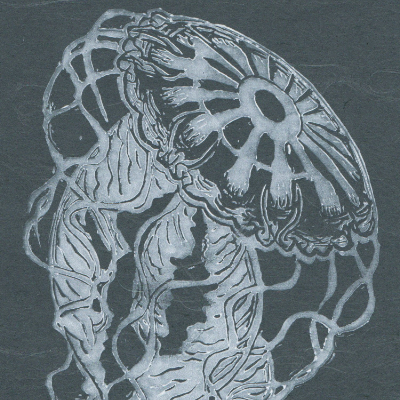
Day 18 #SciArtSeptember prompt cenote, or the limestone sinkholes accessible by ground water, a term originally only used for characteristic features in the Yucatán, Mexico and now applied more broadly to karst features anywhere, including in Australia, where fascinating but endangered stygofauna: aquatic animals who live underground, can be found. This is a hard-carved and hand-printed linocut 🧵
#linocut #printmaking #sciart #invertebrate #stygofauna #mastoArt #amphipod #crustacean
-
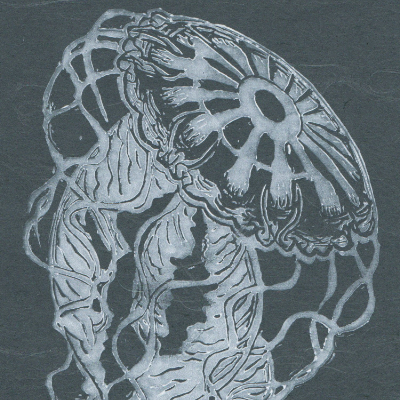
Day 18 #SciArtSeptember prompt cenote, or the limestone sinkholes accessible by ground water, a term originally only used for characteristic features in the Yucatán, Mexico and now applied more broadly to karst features anywhere, including in Australia, where fascinating but endangered stygofauna: aquatic animals who live underground, can be found. This is a hard-carved and hand-printed linocut 🧵
#linocut #printmaking #sciart #invertebrate #stygofauna #mastoArt #amphipod #crustacean
-

Day 18 #SciArtSeptember prompt cenote, or the limestone sinkholes accessible by ground water, a term originally only used for characteristic features in the Yucatán, Mexico and now applied more broadly to karst features anywhere, including in Australia, where fascinating but endangered stygofauna: aquatic animals who live underground, can be found. This is a hard-carved and hand-printed linocut 🧵
#linocut #printmaking #sciart #invertebrate #stygofauna #mastoArt #amphipod #crustacean
-
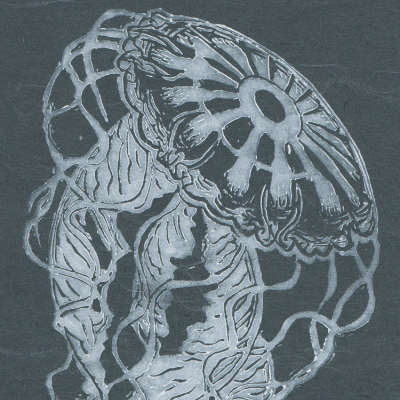
Day 18 #SciArtSeptember prompt cenote, or the limestone sinkholes accessible by ground water, a term originally only used for characteristic features in the Yucatán, Mexico and now applied more broadly to karst features anywhere, including in Australia, where fascinating but endangered stygofauna: aquatic animals who live underground, can be found. This is a hard-carved and hand-printed linocut 🧵
#linocut #printmaking #sciart #invertebrate #stygofauna #mastoArt #amphipod #crustacean
-

Subterranean life in the groundwaters of northern Australia https://www.csiro.au/en/news/All/Articles/2025/June/Stygofauna
"#Stygofauna are creatures specifically adapted to life in underground aquatic habitats... Often dwelling in darkness, many have lost their eyes and have developed a range of unique features to thrive in these environments, frequently low in nutrients and oxygen... They contribute water purification and nutrient cycling within aquifers, which directly impact the quality and availability of our resources."
-

Subterranean life in the groundwaters of northern Australia https://www.csiro.au/en/news/All/Articles/2025/June/Stygofauna
"#Stygofauna are creatures specifically adapted to life in underground aquatic habitats... Often dwelling in darkness, many have lost their eyes and have developed a range of unique features to thrive in these environments, frequently low in nutrients and oxygen... They contribute water purification and nutrient cycling within aquifers, which directly impact the quality and availability of our resources."
-

Subterranean life in the groundwaters of northern Australia https://www.csiro.au/en/news/All/Articles/2025/June/Stygofauna
"#Stygofauna are creatures specifically adapted to life in underground aquatic habitats... Often dwelling in darkness, many have lost their eyes and have developed a range of unique features to thrive in these environments, frequently low in nutrients and oxygen... They contribute water purification and nutrient cycling within aquifers, which directly impact the quality and availability of our resources."
-

Subterranean life in the groundwaters of northern Australia https://www.csiro.au/en/news/All/Articles/2025/June/Stygofauna
"#Stygofauna are creatures specifically adapted to life in underground aquatic habitats... Often dwelling in darkness, many have lost their eyes and have developed a range of unique features to thrive in these environments, frequently low in nutrients and oxygen... They contribute water purification and nutrient cycling within aquifers, which directly impact the quality and availability of our resources."
-

Stygofauna (Ecology 🏞️)
Stygofauna are any fauna that live in groundwater systems or aquifers, such as caves, fissures and vugs. Stygofauna and troglofauna are the two types of subterranean fauna. Both are associated with subterranean environments – stygofauna are associated with water, and troglofauna with caves and spaces above the water table. Stygofauna can live within freshwater aq...
https://en.wikipedia.org/wiki/Stygofauna
#Stygofauna #Ecology #Hydrology #CaveAnimals #FreshwaterAnimals
-

Stygofauna (Ecology 🏞️)
Stygofauna are any fauna that live in groundwater systems or aquifers, such as caves, fissures and vugs. Stygofauna and troglofauna are the two types of subterranean fauna. Both are associated with subterranean environments – stygofauna are associated with water, and troglofauna with caves and spaces above the water table. Stygofauna can live within freshwater aq...
https://en.wikipedia.org/wiki/Stygofauna
#Stygofauna #Ecology #Hydrology #CaveAnimals #FreshwaterAnimals
-
Next up for #InsertAnInvert2024 is stygofauna: aquatic animals who live underground. This is a hard-carved and hand-printed linocut print of a little semi-transparent, white amphipod crustacean in the Neoniphargidae group from the Pilbara. This is a large, dry, sparsely populated region in northern part of Western Australia which is a global biodiversity hotspot for subterranean fauna 🧵1/2
#linocut #printmaking #sciart #invertebrate #stygofauna #amphipod #crustacean
-
Next up for #InsertAnInvert2024 is stygofauna: aquatic animals who live underground. This is a hard-carved and hand-printed linocut print of a little semi-transparent, white amphipod crustacean in the Neoniphargidae group from the Pilbara. This is a large, dry, sparsely populated region in northern part of Western Australia which is a global biodiversity hotspot for subterranean fauna 🧵1/2
#linocut #printmaking #sciart #invertebrate #stygofauna #amphipod #crustacean
-
Next up for #InsertAnInvert2024 is stygofauna: aquatic animals who live underground. This is a hard-carved and hand-printed linocut print of a little semi-transparent, white amphipod crustacean in the Neoniphargidae group from the Pilbara. This is a large, dry, sparsely populated region in northern part of Western Australia which is a global biodiversity hotspot for subterranean fauna 🧵1/2
#linocut #printmaking #sciart #invertebrate #stygofauna #amphipod #crustacean
-
Next up for #InsertAnInvert2024 is stygofauna: aquatic animals who live underground. This is a hard-carved and hand-printed linocut print of a little semi-transparent, white amphipod crustacean in the Neoniphargidae group from the Pilbara. This is a large, dry, sparsely populated region in northern part of Western Australia which is a global biodiversity hotspot for subterranean fauna 🧵1/2
#linocut #printmaking #sciart #invertebrate #stygofauna #amphipod #crustacean
-
Next up for #InsertAnInvert2024 is stygofauna: aquatic animals who live underground. This is a hard-carved and hand-printed linocut print of a little semi-transparent, white amphipod crustacean in the Neoniphargidae group from the Pilbara. This is a large, dry, sparsely populated region in northern part of Western Australia which is a global biodiversity hotspot for subterranean fauna 🧵1/2
#linocut #printmaking #sciart #invertebrate #stygofauna #amphipod #crustacean
-
Carving a block for the final subterranean invertebrate for #InsertAnInvert2024. Stygofauna are aquatic animals who live underground. This one is a crustacean!
#linocut #printmaking #sciart #stygofauna #wip #invertebrate #amphipods
-
Carving a block for the final subterranean invertebrate for #InsertAnInvert2024. Stygofauna are aquatic animals who live underground. This one is a crustacean!
#linocut #printmaking #sciart #stygofauna #wip #invertebrate #amphipods
-
Carving a block for the final subterranean invertebrate for #InsertAnInvert2024. Stygofauna are aquatic animals who live underground. This one is a crustacean!
#linocut #printmaking #sciart #stygofauna #wip #invertebrate #amphipods
-
Carving a block for the final subterranean invertebrate for #InsertAnInvert2024. Stygofauna are aquatic animals who live underground. This one is a crustacean!
#linocut #printmaking #sciart #stygofauna #wip #invertebrate #amphipods
-
Carving a block for the final subterranean invertebrate for #InsertAnInvert2024. Stygofauna are aquatic animals who live underground. This one is a crustacean!
#linocut #printmaking #sciart #stygofauna #wip #invertebrate #amphipods
-

@RadicalAnthro The south-western groundwater shrimp: "British cave shrimps have an ancient lineage. DNA evidence shows Niphargus species arose about 88 million years ago, 23 million years before the dinosaurs went extinct! Groundwater crustaceans were also amongst the few invertebrates that weathered the ice age in the UK. Living underground kept them insulated from the frozen surface. The British cave shrimp and its close Irish relative N.irlandicus are currently believed to be the oldest animal species in the British Isles, present for at least 19.5million years."
https://www.buglife.org.uk/bugs/bug-directory/british-cave-shrimp/
#paleontology #paleobiology #crustacea #amphipod #stygofauna
-

@RadicalAnthro The south-western groundwater shrimp: "British cave shrimps have an ancient lineage. DNA evidence shows Niphargus species arose about 88 million years ago, 23 million years before the dinosaurs went extinct! Groundwater crustaceans were also amongst the few invertebrates that weathered the ice age in the UK. Living underground kept them insulated from the frozen surface. The British cave shrimp and its close Irish relative N.irlandicus are currently believed to be the oldest animal species in the British Isles, present for at least 19.5million years."
https://www.buglife.org.uk/bugs/bug-directory/british-cave-shrimp/
#paleontology #paleobiology #crustacea #amphipod #stygofauna
-

@RadicalAnthro The south-western groundwater shrimp: "British cave shrimps have an ancient lineage. DNA evidence shows Niphargus species arose about 88 million years ago, 23 million years before the dinosaurs went extinct! Groundwater crustaceans were also amongst the few invertebrates that weathered the ice age in the UK. Living underground kept them insulated from the frozen surface. The British cave shrimp and its close Irish relative N.irlandicus are currently believed to be the oldest animal species in the British Isles, present for at least 19.5million years."
https://www.buglife.org.uk/bugs/bug-directory/british-cave-shrimp/
#paleontology #paleobiology #crustacea #amphipod #stygofauna
-

@RadicalAnthro The south-western groundwater shrimp: "British cave shrimps have an ancient lineage. DNA evidence shows Niphargus species arose about 88 million years ago, 23 million years before the dinosaurs went extinct! Groundwater crustaceans were also amongst the few invertebrates that weathered the ice age in the UK. Living underground kept them insulated from the frozen surface. The British cave shrimp and its close Irish relative N.irlandicus are currently believed to be the oldest animal species in the British Isles, present for at least 19.5million years."
https://www.buglife.org.uk/bugs/bug-directory/british-cave-shrimp/
#paleontology #paleobiology #crustacea #amphipod #stygofauna
-

@RadicalAnthro The south-western groundwater shrimp: "British cave shrimps have an ancient lineage. DNA evidence shows Niphargus species arose about 88 million years ago, 23 million years before the dinosaurs went extinct! Groundwater crustaceans were also amongst the few invertebrates that weathered the ice age in the UK. Living underground kept them insulated from the frozen surface. The British cave shrimp and its close Irish relative N.irlandicus are currently believed to be the oldest animal species in the British Isles, present for at least 19.5million years."
https://www.buglife.org.uk/bugs/bug-directory/british-cave-shrimp/
#paleontology #paleobiology #crustacea #amphipod #stygofauna