#toulouselautrec — Public Fediverse posts
Live and recent posts from across the Fediverse tagged #toulouselautrec, aggregated by home.social.
-

https://www.europesays.com/hu/169065/ Toulouse-Lautrec mindössze 142 centi volt, de ő festette meg a Moulin Rouge legendáját #Celebrities #Entertainment #festészet #festő #francia #Hírességek #HU #Hungarian #Hungary #Magyar #Magyarország #Szórakozás #ToulouseLautrec
-

Bloom Bash in Balboa Park brings patrons to Paris
SAN DIEGO (FOX 5/KUSI) — It’s San Diego’s Met Gala as the Bloom Bash brings in patrons of…
#France #FR #Europe #EU #Paris #anightinParis #BloomBash #centennialexhibitions #ErikaUlring #LeticiaGomezFranco #patronsofthearts #ToulouseLautrec
https://www.europesays.com/france/9079/ -

"Portrait of Suzanne Valadon," Henri de Toulouse-Lautrec, 1885.
Comte Henri Marie Raymond de Toulouse-Lautrec-Montfa (1864-1901) is best known for his paintings depicting prostitutes or showgirls at the Moulin Rouge, but he also did a number of very nice portraits.
In the 1880s he became close friends with fellow painter Suzanne Valadon (whose work I've featured) and it's believed they were lovers, and that she wanted to marry. But the relationship was severed in 1888 and she attempted suicide not long after.
This portrait is from the first years of their relationship. Here Suzanne seems to be approaching the viewer while walking through a park in autumn. Her expression is unreadable but Toulouse-Lautrec makes her stand out in her purple dress. She dominates the canvas.
Henri himself was an alcoholic with a fondness for prostitutes. He also had a number of health problems, some genetic (his parents were first cousins and his family was somewhat inbred) and he was famously short, due to both legs being broken as a child and ceasing to grow. Valadon seems to be expressing anxiety and care about the viewer, and about Henri. Maybe?
Happy Portrait Monday!
From the Museo Nacional de Bellas Artes, Buenos Aires.
#Art #Impressionism #ToulouseLautrec #WomenInArt #SuzanneValadon
-

"Portrait of Suzanne Valadon," Henri de Toulouse-Lautrec, 1885.
Comte Henri Marie Raymond de Toulouse-Lautrec-Montfa (1864-1901) is best known for his paintings depicting prostitutes or showgirls at the Moulin Rouge, but he also did a number of very nice portraits.
In the 1880s he became close friends with fellow painter Suzanne Valadon (whose work I've featured) and it's believed they were lovers, and that she wanted to marry. But the relationship was severed in 1888 and she attempted suicide not long after.
This portrait is from the first years of their relationship. Here Suzanne seems to be approaching the viewer while walking through a park in autumn. Her expression is unreadable but Toulouse-Lautrec makes her stand out in her purple dress. She dominates the canvas.
Henri himself was an alcoholic with a fondness for prostitutes. He also had a number of health problems, some genetic (his parents were first cousins and his family was somewhat inbred) and he was famously short, due to both legs being broken as a child and ceasing to grow. Valadon seems to be expressing anxiety and care about the viewer, and about Henri. Maybe?
Happy Portrait Monday!
From the Museo Nacional de Bellas Artes, Buenos Aires.
#Art #Impressionism #ToulouseLautrec #WomenInArt #SuzanneValadon
-

"Portrait of Suzanne Valadon," Henri de Toulouse-Lautrec, 1885.
Comte Henri Marie Raymond de Toulouse-Lautrec-Montfa (1864-1901) is best known for his paintings depicting prostitutes or showgirls at the Moulin Rouge, but he also did a number of very nice portraits.
In the 1880s he became close friends with fellow painter Suzanne Valadon (whose work I've featured) and it's believed they were lovers, and that she wanted to marry. But the relationship was severed in 1888 and she attempted suicide not long after.
This portrait is from the first years of their relationship. Here Suzanne seems to be approaching the viewer while walking through a park in autumn. Her expression is unreadable but Toulouse-Lautrec makes her stand out in her purple dress. She dominates the canvas.
Henri himself was an alcoholic with a fondness for prostitutes. He also had a number of health problems, some genetic (his parents were first cousins and his family was somewhat inbred) and he was famously short, due to both legs being broken as a child and ceasing to grow. Valadon seems to be expressing anxiety and care about the viewer, and about Henri. Maybe?
Happy Portrait Monday!
From the Museo Nacional de Bellas Artes, Buenos Aires.
#Art #Impressionism #ToulouseLautrec #WomenInArt #SuzanneValadon
-

"Portrait of Suzanne Valadon," Henri de Toulouse-Lautrec, 1885.
Comte Henri Marie Raymond de Toulouse-Lautrec-Montfa (1864-1901) is best known for his paintings depicting prostitutes or showgirls at the Moulin Rouge, but he also did a number of very nice portraits.
In the 1880s he became close friends with fellow painter Suzanne Valadon (whose work I've featured) and it's believed they were lovers, and that she wanted to marry. But the relationship was severed in 1888 and she attempted suicide not long after.
This portrait is from the first years of their relationship. Here Suzanne seems to be approaching the viewer while walking through a park in autumn. Her expression is unreadable but Toulouse-Lautrec makes her stand out in her purple dress. She dominates the canvas.
Henri himself was an alcoholic with a fondness for prostitutes. He also had a number of health problems, some genetic (his parents were first cousins and his family was somewhat inbred) and he was famously short, due to both legs being broken as a child and ceasing to grow. Valadon seems to be expressing anxiety and care about the viewer, and about Henri. Maybe?
Happy Portrait Monday!
From the Museo Nacional de Bellas Artes, Buenos Aires.
#Art #Impressionism #ToulouseLautrec #WomenInArt #SuzanneValadon
-

"Portrait of Suzanne Valadon," Henri de Toulouse-Lautrec, 1885.
Comte Henri Marie Raymond de Toulouse-Lautrec-Montfa (1864-1901) is best known for his paintings depicting prostitutes or showgirls at the Moulin Rouge, but he also did a number of very nice portraits.
In the 1880s he became close friends with fellow painter Suzanne Valadon (whose work I've featured) and it's believed they were lovers, and that she wanted to marry. But the relationship was severed in 1888 and she attempted suicide not long after.
This portrait is from the first years of their relationship. Here Suzanne seems to be approaching the viewer while walking through a park in autumn. Her expression is unreadable but Toulouse-Lautrec makes her stand out in her purple dress. She dominates the canvas.
Henri himself was an alcoholic with a fondness for prostitutes. He also had a number of health problems, some genetic (his parents were first cousins and his family was somewhat inbred) and he was famously short, due to both legs being broken as a child and ceasing to grow. Valadon seems to be expressing anxiety and care about the viewer, and about Henri. Maybe?
Happy Portrait Monday!
From the Museo Nacional de Bellas Artes, Buenos Aires.
#Art #Impressionism #ToulouseLautrec #WomenInArt #SuzanneValadon
-

Study of a painting by Toulouse-Lautrec
Day 763 (yesterday)
#Sketch #SketchBook #MastoArt #Art #Pencil #PencilDrawing #Draw #ToulouseLautrec #KleineKunstklasse #DailyArt #DailySketch
-
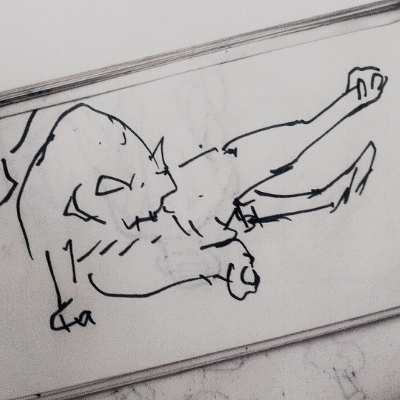
Study of a painting by Toulouse-Lautrec
Day 763 (yesterday)
#Sketch #SketchBook #MastoArt #Art #Pencil #PencilDrawing #Draw #ToulouseLautrec #KleineKunstklasse #DailyArt #DailySketch
-
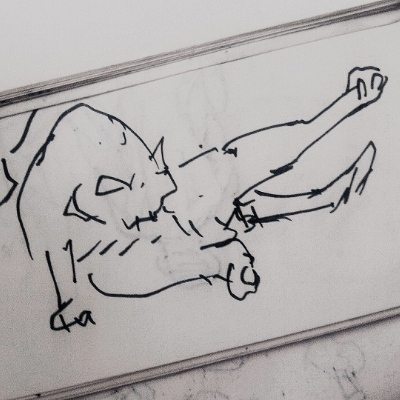
Study of a painting by Toulouse-Lautrec
Day 763 (yesterday)
#Sketch #SketchBook #MastoArt #Art #Pencil #PencilDrawing #Draw #ToulouseLautrec #KleineKunstklasse #DailyArt #DailySketch
-
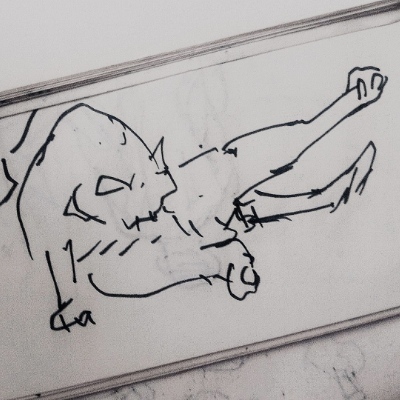
Study of a painting by Toulouse-Lautrec
Day 763 (yesterday)
#Sketch #SketchBook #MastoArt #Art #Pencil #PencilDrawing #Draw #ToulouseLautrec #KleineKunstklasse #DailyArt #DailySketch
-

Study of a painting by Toulouse-Lautrec
Day 763 (yesterday)
#Sketch #SketchBook #MastoArt #Art #Pencil #PencilDrawing #Draw #ToulouseLautrec #KleineKunstklasse #DailyArt #DailySketch
-

Henri de Toulouse-Lautrec's "The Jockey" masterfully blends racing energy with Japanese aesthetics, introducing an exhilarating sense of motion. Its unique perspective invites viewers into the thrill of the race—what emotions does it evoke for you?
#ToulouseLautrec #ClevelandArt #ArtHistory
https://clevelandart.org/art/1967.234 -

Henri de Toulouse-Lautrec's "The Jockey" masterfully blends racing energy with Japanese aesthetics, introducing an exhilarating sense of motion. Its unique perspective invites viewers into the thrill of the race—what emotions does it evoke for you?
#ToulouseLautrec #ClevelandArt #ArtHistory
https://clevelandart.org/art/1967.234 -

Henri de Toulouse-Lautrec's "The Jockey" masterfully blends racing energy with Japanese aesthetics, introducing an exhilarating sense of motion. Its unique perspective invites viewers into the thrill of the race—what emotions does it evoke for you?
#ToulouseLautrec #ClevelandArt #ArtHistory
https://clevelandart.org/art/1967.234 -
The Jockey by Toulouse-Lautrec bursts with energy, showcasing vivid colors and dynamic lines that capture the thrill of racing. The influence of Japanese woodblock prints and Degas is evident, yet he creates a unique visual narrative. What emotions does it evoke for you?
#ClevelandArt #ToulouseLautrec #ArtHistory
https://clevelandart.org/art/1967.234 -
The Jockey by Toulouse-Lautrec bursts with energy, showcasing vivid colors and dynamic lines that capture the thrill of racing. The influence of Japanese woodblock prints and Degas is evident, yet he creates a unique visual narrative. What emotions does it evoke for you?
#ClevelandArt #ToulouseLautrec #ArtHistory
https://clevelandart.org/art/1967.234 -
The Jockey by Toulouse-Lautrec bursts with energy, showcasing vivid colors and dynamic lines that capture the thrill of racing. The influence of Japanese woodblock prints and Degas is evident, yet he creates a unique visual narrative. What emotions does it evoke for you?
#ClevelandArt #ToulouseLautrec #ArtHistory
https://clevelandart.org/art/1967.234 -

Giovanni Boldini - Portrait de Toulouse-Lautrec
#giovanniboldini #toulouselautrec #arte #art -

Giovanni Boldini - Portrait de Toulouse-Lautrec
#giovanniboldini #toulouselautrec #arte #art -

Giovanni Boldini - Portrait de Toulouse-Lautrec
#giovanniboldini #toulouselautrec #arte #art -

Giovanni Boldini - Portrait de Toulouse-Lautrec
#giovanniboldini #toulouselautrec #arte #art -

Giovanni Boldini - Portrait de Toulouse-Lautrec
#giovanniboldini #toulouselautrec #arte #art -
Henri de Toulouse-Lautrec - Derrière la scène (1899)
#toulouselautrec #arte #art -
Henri de Toulouse-Lautrec - Derrière la scène (1899)
#toulouselautrec #arte #art -
Henri de Toulouse-Lautrec - Derrière la scène (1899)
#toulouselautrec #arte #art -
Henri de Toulouse-Lautrec - Derrière la scène (1899)
#toulouselautrec #arte #art -
Henri de Toulouse-Lautrec - Derrière la scène (1899)
#toulouselautrec #arte #art -
Henri de Toulouse-Lautrec - Derrière la scène (1899)
#toulouselautrec #art -
Henri de Toulouse-Lautrec - Derrière la scène (1899)
#toulouselautrec #art -
Henri de Toulouse-Lautrec - Derrière la scène (1899)
#toulouselautrec #art -
Henri de Toulouse-Lautrec - Derrière la scène (1899)
#toulouselautrec #art -
Henri de Toulouse-Lautrec - Derrière la scène (1899)
#toulouselautrec #art -
Henri de Toulouse-Lautrec - À l’Élysée Montmartre (1888)
#toulouselautrec #arte #art -
Henri de Toulouse-Lautrec - À l’Élysée Montmartre (1888)
#toulouselautrec #arte #art -
Henri de Toulouse-Lautrec - À l’Élysée Montmartre (1888)
#toulouselautrec #arte #art -
Henri de Toulouse-Lautrec - À l’Élysée Montmartre (1888)
#toulouselautrec #arte #art -
Henri de Toulouse-Lautrec - À l’Élysée Montmartre (1888)
#toulouselautrec #arte #art -
Henri de Toulouse-Lautrec - Autoportrait devant un miroir (1883)
#toulouselautrec #arte #art -
Henri de Toulouse-Lautrec - Autoportrait devant un miroir (1883)
#toulouselautrec #arte #art -
Henri de Toulouse-Lautrec - Autoportrait devant un miroir (1883)
#toulouselautrec #arte #art -
Henri de Toulouse-Lautrec - Autoportrait devant un miroir (1883)
#toulouselautrec #arte #art -
Henri de Toulouse-Lautrec - Autoportrait devant un miroir (1883)
#toulouselautrec #arte #art -
Henri de Toulouse-Lautrec - Ballet
#toulouselautrec #arte #art -
Henri de Toulouse-Lautrec - Ballet
#toulouselautrec #arte #art -
Henri de Toulouse-Lautrec - Ballet
#toulouselautrec #arte #art -
Henri de Toulouse-Lautrec - Ballet
#toulouselautrec #arte #art -
Henri de Toulouse-Lautrec - Ballet
#toulouselautrec #arte #art -
Henri de Toulouse-Lautrec - Au Moulin Rouge, la Goulue et sa sœur (1892)
#toulouselautrec #art -
Henri de Toulouse-Lautrec - Au Moulin Rouge, la Goulue et sa sœur (1892)
#toulouselautrec #art -
Henri de Toulouse-Lautrec - Au Moulin Rouge, la Goulue et sa sœur (1892)
#toulouselautrec #art


